English
 Español

Article Overview: A practical guide for procurement managers evaluating lamination equipment. Understand applications, buyer personas, and key RFQ checkpoints to reduce risk.
Article Overview: This article is written for procurement managers, sourcing teams, and project engineers who are preparing to evaluate lamination equipment for their print or packaging operations. We provide a neutral, risk-aware walkthrough of lamination applications, buyer profiles, and the practical checkpoints that reduce costly mistakes. Whether you are issuing an RFQ or comparing suppliers, this map will help you align technical requirements with real-world production outcomes.
Understanding Lamination in Modern Print and Packaging
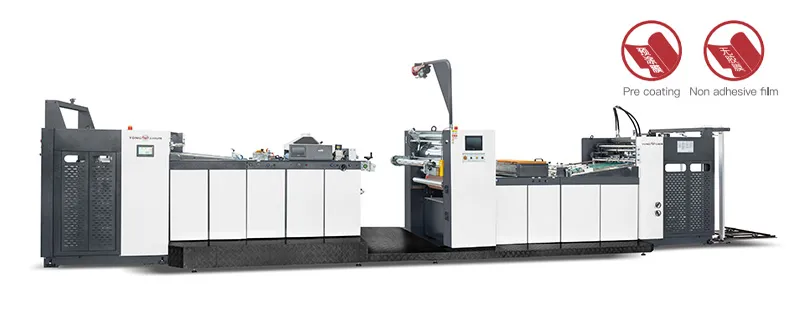
Lamination, in the context of post-press finishing, refers to the process of bonding a thin film (often OPP, PET, PVC, PLA, or metalized film) onto printed substrates such as paper or board. The primary goals are to enhance durability, improve visual appeal, and provide functional barriers against moisture, wear, and UV light. In commercial printing, laminating machines are central to producing high-quality packaging, book covers, labels, and promotional materials.
The technology has evolved significantly. Modern machines integrate features such as hot knife slitting, electromagnetic and oil heating, and intelligent control systems that allow faster changeovers and consistent quality. For buyers, understanding the distinction between pre-coating film laminators and thermal or water-based systems is a first step toward matching equipment to production needs. A common oversight is assuming a single laminating solution fits all material types. In reality, film compatibility, adhesive chemistry, and heating uniformity directly affect output quality and waste rates.
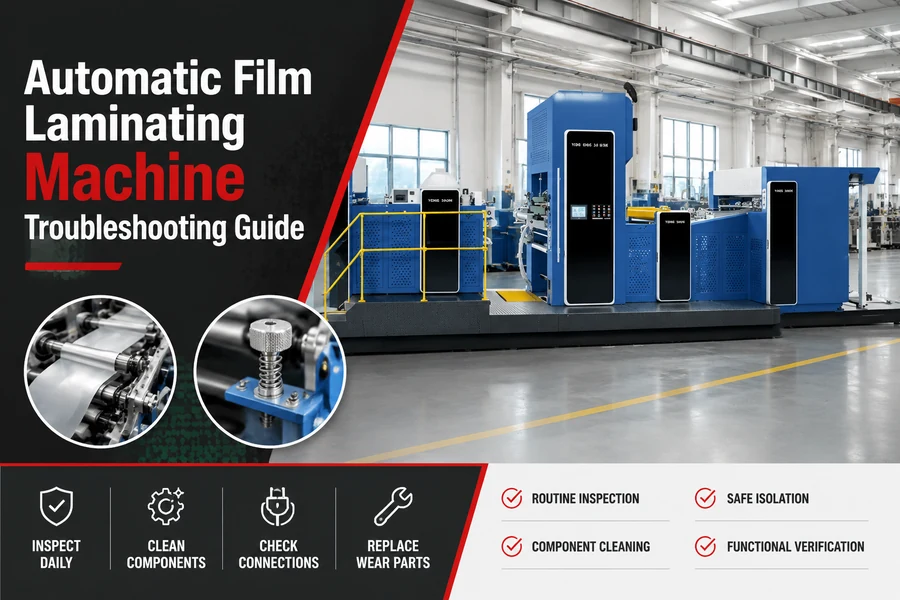
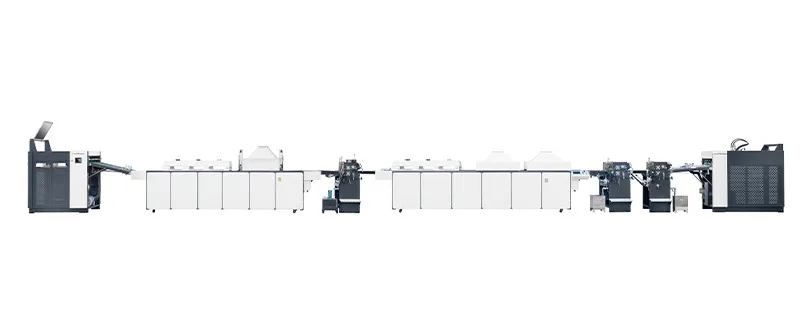
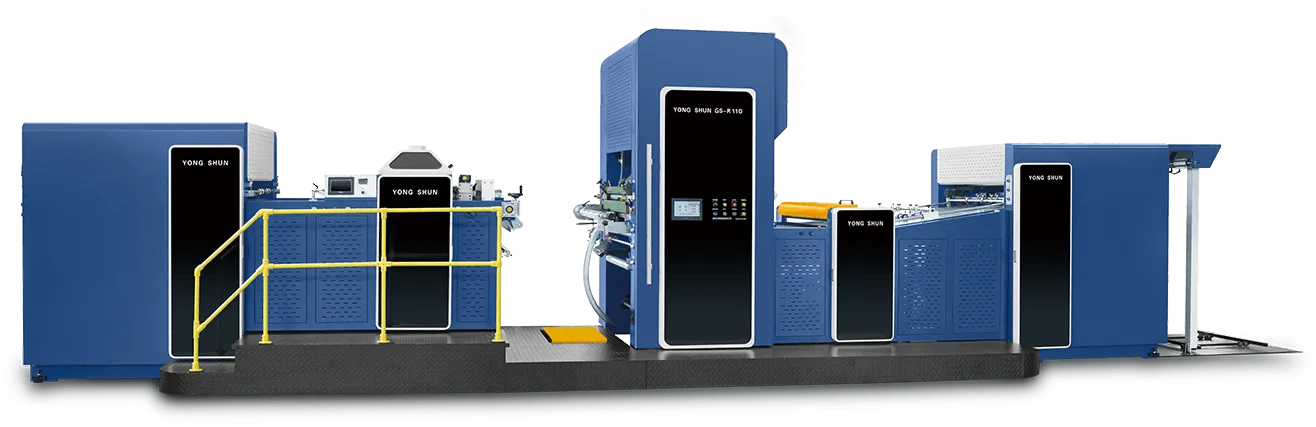
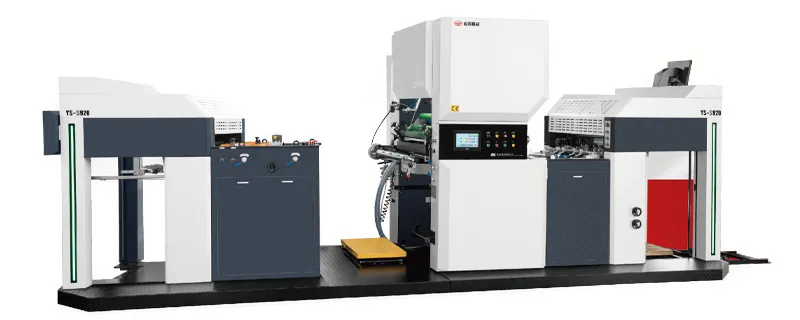
To learn more about specific machine configurations, explore our Automatic Film Laminating Machine product line for detailed specifications.
Key Applications Driving Lamination Demand
Lamination is not a one-size-fits-all process. Different end-use applications impose distinct requirements on the laminating equipment. Below are the most common application clusters that procurement professionals encounter:
- Premium Packaging: Luxury boxes, cosmetic cartons, and food packaging often demand high-gloss finishes, scratch resistance, and precise register control. Here, laminators with hot knife slitting and high-speed throughput are typical.
- Book and Magazine Covers: Durability and tactile feel matter. Pre-coating film laminators are frequently used for paperback covers, while thermal laminators serve the hardcover segment.
- Labels and Stickers: Roll-to-roll laminating machines excel in label production where continuous web processing and consistent tension control are critical.
- Window Laminations: For packaging with transparent windows, specialized window laminating machines provide precise cut-out and heat-sealing.
Each application cluster affects the type of laminator you need, the film format (roll vs. sheet), and the integration with upstream printing presses. When evaluating suppliers, ask for verified case studies or at least documented references for your specific application type.
Buyer Personas and Their Procurement Priorities
Procurement decisions for lamination equipment typically involve three distinct personas, each with a different focus:
- Procurement Managers: They prioritize total cost of ownership (TCO), lead times, warranty terms, and payment conditions. Their risk is selecting a low-cost option that fails to meet production targets.
- Project Engineers: They focus on technical specifications—speed, film compatibility, heating method, safety features, and automation level. They want to know whether the machine can integrate with existing lines.
- Operations & Production Leads: Their concerns are uptime, ease of maintenance, changeover speed, and operator training. They often uncover hidden costs during installation.
A common gap is the lack of alignment between these personas during supplier evaluation. For instance, procurement may negotiate a low price, but the machine may require expensive custom films or have a long learning curve that negates savings. The most successful purchase processes involve joint site visits or pilot runs where all stakeholders can validate performance. For a broader view of how lamination fits into your production ecosystem, review our Solutions page.
Critical Supplier Evaluation Checkpoints
When you move from initial research to supplier shortlisting, use the following checkpoints to structure your evaluation. These are not exhaustive but address the most common failure points seen in B2B laminator purchases.
- Machine vs. Application Fit: Don't rely on generic spec sheets. Request a matrix of supported films and substrates. Verify that the machine can handle the exact thickness, width, and adhesive type you plan to use.
- Coating Uniformity Data: Uniformity of adhesive or varnish coating directly impacts quality. The best suppliers will share measured values (e.g., 98% uniformity) and the method used to achieve it.
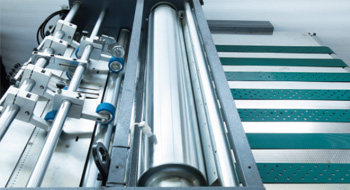
- Heating System Stability: Temperature consistency across the roller width determines defect rates. Ask about heating technology (electromagnetic vs. oil) and whether the system compensates for load changes.
- Automation and Control: Intelligent features like one-key start, automatic film alignment, and real-time diagnostics reduce operator dependency. Evaluate whether the control system is user-friendly for your workforce.
- After-Sales Support: Spare parts availability, technical service response times, and training programs are often undervalued until a breakdown occurs. Clarify these terms in writing before signing.
Integrating these checkpoints into your RFQ template will reduce ambiguity and help suppliers provide comparable proposals. Remember to request references from customers with similar production scales. Machine reliability is best evidenced by real uptime data, not promotional phrases.
Bridging the Gaps: What to Validate Before Your RFQ
Even after diligent evaluation, certain gaps can remain. The following validation steps will help you close those gaps before issuing the final purchase order:
- Pilot or On-Site Demonstration: Whenever possible, run a trial with your actual materials. This reveals real-world throughput, waste rates, and film tension issues that spec sheets cannot convey.
- Total Cost Analysis (Build vs. Buy vs. Upkeep): Factor in installation costs, utility requirements, consumable film availability, and projected maintenance intervals. A machine with lower upfront cost may have significantly higher per-unit operating expenses.
- Integration Check: Ensure the laminator can be connected to your existing coating, drying, or slitting equipment without major modifications. Discuss interface protocols and mechanical alignment.
- Service Level Agreement (SLA): Define response times for remote support, spare parts shipment, and onsite repair. Agree on uptime guarantees if the machine is mission-critical.
- Future Scalability: Consider whether the same supplier offers upgrades or modular configurations that allow you to increase capacity or change film types as your business evolves.
By validating these points, you move from a feature-based comparison to an outcome-based procurement strategy. This approach minimizes the risk of post-installation surprises and ensures that the lamination equipment delivers the intended return on investment. For further guidance on quality assurance, visit our Quality page.
Frequently Asked Questions
- What is the difference between pre-coating and thermal laminating machines?
- Pre-coating laminators use film that already has an adhesive layer, activated by heat. Thermal laminators typically require a separate adhesive application or use films with heat-activated adhesives. The choice depends on the substrate, desired finish, and production speed.
- How do I determine the right film width for my laminator?
- The laminator's maximum film width should match your largest print sheet width. For roll-to-roll machines, the unwind and rewind capacities also matter. It is wise to select a machine that can handle 10-15% wider film than your current maximum to allow for future product variations.
- What maintenance is required for a laminating machine?
- Routine maintenance includes cleaning rollers, checking heater circuit continuity, lubricating bearings, and inspecting slitting knives. The frequency depends on usage volume and material types. A preventive maintenance schedule from the supplier is essential.
- Can lamination be integrated with varnishing in a single line?
- Yes, many production lines combine lamination and varnishing machines for a complete surface finishing solution. However, careful drying and curing between stages is necessary to avoid chemical incompatibility or moisture trapping.
- How important is coating uniformity in lamination?
- Coating uniformity directly affects adhesion strength and visual consistency. Variations as small as 2% can lead to delamination or gloss differences across a print run. Always request documented uniformity measurements from the supplier.
Conclusion
Procuring a lamination machine is a significant capital decision that impacts production quality, operating costs, and customer satisfaction. By understanding the application-specific demands, aligning the priorities of your internal team, and rigorously evaluating suppliers against concrete checkpoints, you can avoid common pitfalls. The gaps in the lamination market often arise from mismatched expectations rather than poor equipment. A methodical, evidence-based approach to your RFQ will close those gaps and lead to a successful purchase.
For more detailed product information and support, we invite you to browse our home page and contact our team for technical consultations.