English
 Español

Article Overview: Learn how high-speed laminating machines increase packaging print throughput, reduce waste, and integrate into existing workflows. A technical guide for production managers and CTOs.
Article Overview: This article explores how high-speed laminating machines improve packaging print efficiency by examining technical specifications, automation features, workflow integration, and common selection criteria. It is intended for technical and procurement decision-makers evaluating lamination solutions.
In modern packaging printing, lamination is an essential post-print process that adds a protective film layer to printed materials, enhancing durability, gloss, and barrier properties. As print speeds increase and run lengths shorten, the laminating station must keep pace without becoming a bottleneck. High-speed laminating machines have become a strategic investment for print shops aiming to maximize throughput while maintaining consistent quality. This article examines the core technical factors that drive efficiency gains, from mechanical speed to automated controls, and offers practical guidance for selecting and integrating such equipment.
The Role of Lamination in Packaging Print Finishing
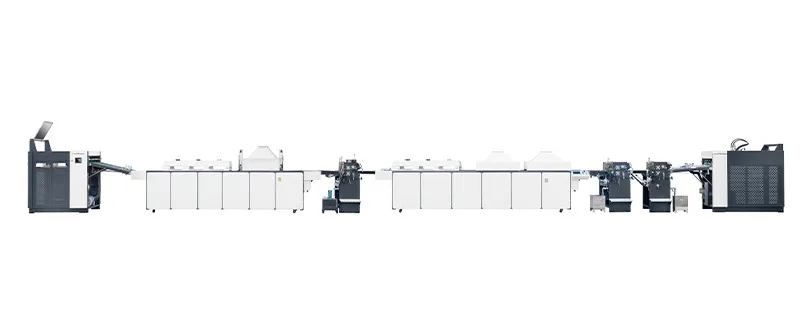
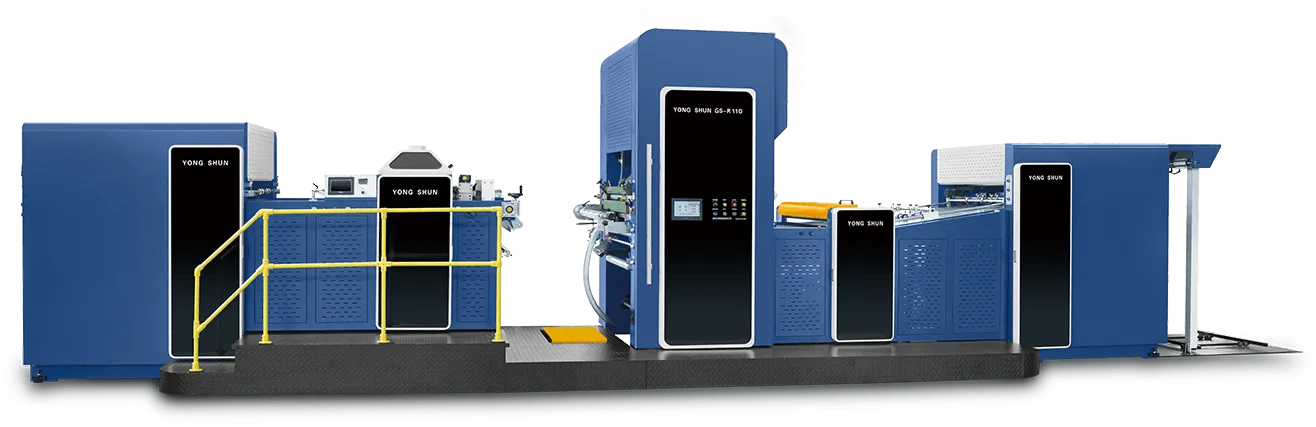
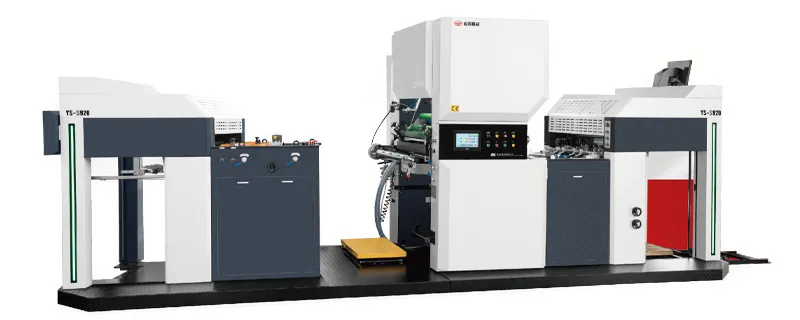
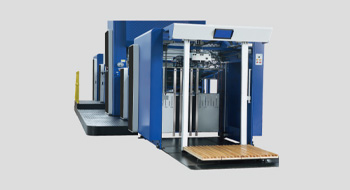
Lamination serves two primary functions in packaging: protection and aesthetic enhancement. By bonding a thin film—typically BOPP, PET, or nylon—to the printed substrate, lamination guards against moisture, scuffs, and UV degradation. It also imparts a high-gloss or matte finish that can elevate perceived product value. In high-volume packaging environments, the lamination process must operate reliably at or above the speed of upstream printing presses. Traditional semi-automatic laminators require significant manual intervention for sheet feeding, film splicing, and waste removal, creating inefficiencies. The shift to automatic high-speed machines addresses these pain points by integrating feeding, laminating, slitting, and stacking into a continuous flow.
For production managers, the key performance indicators are throughput (sheets per hour), waste percentage, and changeover time. A modern high-speed laminator can achieve mechanical speeds up to 80 m/min, with automatic tension control ensuring consistent lamination quality even at these rates. The ability to handle a variety of film types—water-based adhesive, pre-coating, and non-adhesive films—adds operational flexibility. When evaluating a new laminating system, it is critical to consider not peak speed but sustained speed under typical conditions, including film splicing and adjustments. This is where automation features such as PLC-controlled servo motors and one-key start make a measurable difference.
How Speed and Automation Affect Throughput
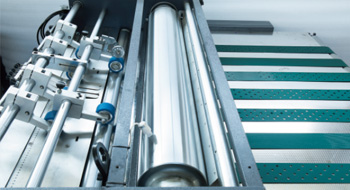
The most immediate impact of high-speed laminating machines is increased throughput. However, raw speed alone does not guarantee productivity gains if the machine requires frequent stops for adjustments or waste removal. Automation technologies address these stability issues. For instance, automatic film splicing allows continuous operation without halting to load new rolls. Hot knife slitting systems cut the laminated film precisely at the sheet edge, eliminating the need for manual trimming and reducing material waste. Intelligent control systems can monitor temperature, pressure, and tension in real time, adjusting parameters to maintain consistent output.
One concrete efficiency gain comes from reduced setup time. Modern machines often feature memory presets for different job specifications—film type, substrate thickness, speed, temperature—allowing operators to recall them with a single command. This capability is particularly valuable in short-run packaging environments where job changes are frequent. Another important factor is the integration of inline inspection systems. While not standard on all models, vision-based quality monitoring can detect lamination defects such as bubbles or delamination early, preventing costly rework downstream.
From an operations perspective, the combination of high mechanical speed and intelligent automation reduces labor dependence per shift. Operators can oversee multiple machines or focus on value-added tasks rather than manual adjustments. However, the purchase price of a fully automated high-speed laminator is higher than that of conventional models, so the return on investment depends on volume, labor costs, and quality tolerance. For medium-to-large packaging printers, the productivity gains often justify the upfront expense within 12–18 months.
Key Technical Specifications for Production Managers
When evaluating high-speed laminating machines, several technical specifications deserve scrutiny beyond maximum speed:
- Mechanical speed vs. working speed: A machine rated at 80 m/min may operate at 60–70 m/min during stable production due to acceleration/deceleration and film changes. Request sustained throughput data from the manufacturer.
- Film applicability: Multi-purpose models that handle water-based, pre-coating, and non-adhesive films offer flexibility for different job types. Check the range of film thicknesses and widths the machine can accommodate.
- Heating system: Rapid heating and stable temperature control are essential for uniform adhesive activation. Infrared or hot-roller heating systems differ in warm-up time and energy efficiency.
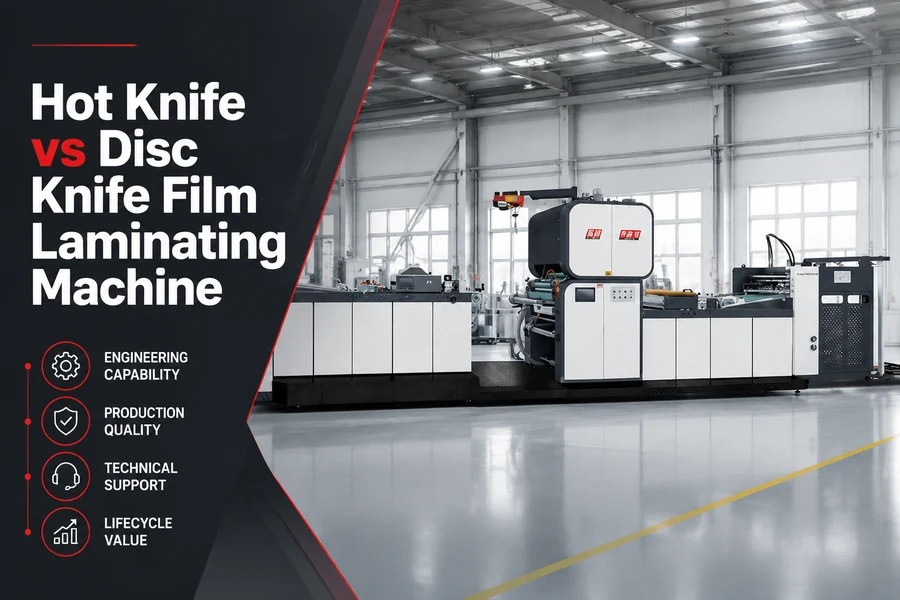
- Slitting method: Hot knife slitting provides clean edges without dust and allows fine adjustment of cut position. Some machines offer chain cutter options for thicker materials.
- Automation level: PLC control with touchscreen interface is standard. Look for features like automatic film splicing, automatic tension control, and one-key start to minimize operator intervention.
- Maintenance requirements: Easy access to rollers, heaters, and cutting assemblies reduces downtime. Ask about recommended maintenance intervals and part availability.
Production managers should also consider the machine’s footprint and compatibility with existing register systems. Many high-speed laminators can be integrated inline with printing presses or equipped with roll-to-roll unwinding/rewinding options for flexible packaging lines. For a detailed look at specific models, refer to our Automatic Film Laminating Machine product page, which outlines configurations for various production scales.
Evaluating Integration into Existing Print Workflows
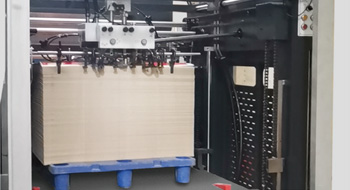
Introducing a high-speed laminating machine is not just a equipment decision; it impacts the entire finishing workflow. Machine upstream feeding, downstream stacking, and material handling must be coordinated. For example, if a laminator outputs at twice the speed of the preceding press, the press becomes the bottleneck, undermining the investment. Conversely, if the laminator is slower than the press, it will cause delays. Ideally, the laminating machine should match or slightly exceed the peak output of the printing press to allow for buffer.
Another integration consideration is the type of film and adhesive used. Water-based laminating adhesives are more environmentally friendly but require longer drying times. Pre-coating films, on the other hand, are heat-activated and do not need adhesive application equipment, simplifying the process. Non-adhesive (thermal) films require high temperature and pressure. The choice affects energy consumption, ventilation, and floor space. We recommend consulting with equipment suppliers and testing with typical job materials before purchase. Our Solutions page provides examples of workflow integration for different packaging sectors.
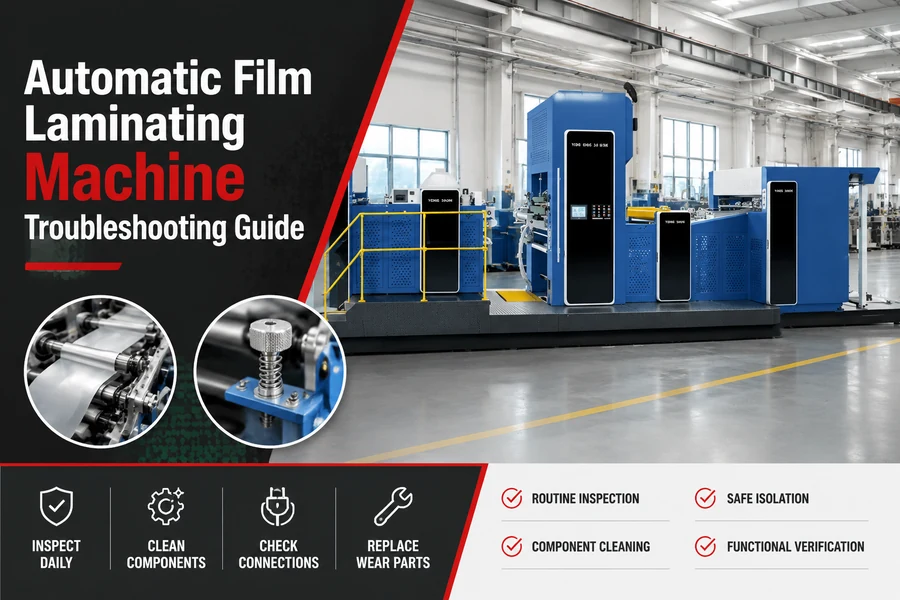
Maintenance and support are also critical. High-speed laminators have more moving parts and sensors than conventional models, so robust service agreements and access to spare parts are important. Check the manufacturer’s service network and training programs. In-house maintenance capability can reduce downtime. For quality-sensitive applications, periodic calibration of temperature and pressure sensors ensures consistent results. The Service page outlines the types of support available, including on-site installation and troubleshooting.
Common Pitfalls in Selecting a High-Speed Laminating System
Even with careful specification, some pitfalls can reduce the expected efficiency gains. One common mistake is over-specifying speed: a machine capable of 80 m/min may never achieve that in practice if the material handling system cannot supply sheets fast enough. Conversely, underspecifying automation can lead to high labor costs and inconsistency. Another pitfall is failing to test the machine with the exact film types and substrates used in production. A machine that performs well with standard BOPP may struggle with specialty film or heavy board.
Waste management is another overlooked factor. High-speed lamination can generate more waste if the slitting system is not precise. Hot knife slitting, as used in many modern machines, reduces waste by allowing real-time adjustment of cut position. However, even with good slitting, setup waste from film threading and splice joints must be accounted for. Look for machines with job memory functions that minimize setup waste on repeat jobs.
Finally, consider the total cost of ownership. While a lower-priced machine may have a smaller upfront cost, higher energy consumption, more frequent maintenance, or shorter roller life can erode savings. Request total cost projections, including electricity, film waste, and maintenance parts for a three-year period. A machine with robust build quality and good support often provides lower lifetime costs even at a higher purchase price. For assurance on build quality, review the manufacturer’s Quality certifications and testing processes.
Frequently Asked Questions
What is the typical speed range for high-speed laminating machines?
Mechanical speeds range from 50 to 80 m/min for most automatic models. The practical working speed depends on film type, substrate, and machine condition. Many manufacturers quote maximum speed but recommend sustained operation at 70–80% of that for consistent quality.
Can high-speed laminating machines handle different film types without manual adjustment?
Modern multi-purpose models can process water-based, pre-coating, and non-adhesive films with minimal changeover. However, switching between fundamentally different adhesive systems may require cleaning of glue rollers or changing heating zones. Machines with memory presets store parameters for each film type to streamline changeovers.
How does automation reduce waste in laminating?
Automated tension control prevents film wrinkling and misalignment. Automatic film splicing eliminates tail-end waste, and hot knife slitting reduces trim waste. Additionally, PLC-controlled heating maintains consistent temperature, reducing rejects from insufficient or excessive adhesive activation.
What training is required for operators?
Operators familiar with conventional laminators can typically transition within one to two weeks, provided the machine interface is intuitive. Manufacturers often include basic training; advanced troubleshooting may require periodic refresher sessions. For complex lines with inline inspection, dedicated training is recommended.
Conclusion
High-speed laminating machines represent a significant opportunity for packaging printers to increase throughput, reduce waste, and improve finish quality. The efficiency gains come not from raw speed alone but from the integration of automation features—automatic splicing, precise tension control, hot knife slitting, and job presets—that minimize downtime and manual intervention. When evaluating such systems, production managers and CTOs should look beyond speed specs to consider sustained throughput, film versatility, maintenance ease, and total cost of ownership. A well-chosen high-speed laminator can transform the finishing line from a bottleneck into a competitive advantage, enabling printers to meet tighter deadlines and higher quality standards in an increasingly demanding packaging market. As the technology continues to evolve with smarter controls and more flexible material handling, early adopters will be best positioned to reap the efficiency rewards.