English
 Español
Article Overview: This selection guide helps procurement teams, sourcing managers, and project engineers decide when an ...
Sep 05,2026


Varnish is a transparent, durable protective coating with a history spanning centuries, widely utilized for enhancing and preserving surfaces across diverse materials. Composed primarily of resins, solvents, and functional additives, it forms a long-lasting glossy finish that combines aesthetic appeal with practical protection, making it indispensable in numerous industries.
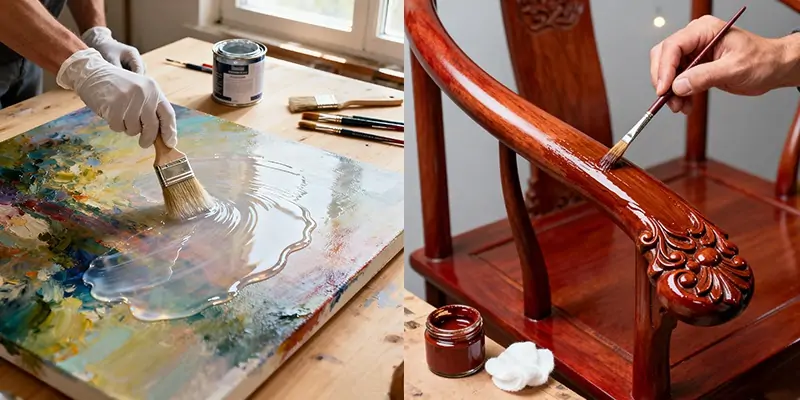
In the field of art, varnish serves as a critical material for safeguarding paintings, protecting pigments from fading and deterioration caused by light exposure, humidity, and dust accumulation. Artists select varnishes according to their creative vision: high-gloss varnishes intensify color vibrancy, while matte finishes deliver a soft, clean visual effect that complements delicate brushwork.
Within the furniture industry, varnish is the material of choice for protecting wooden surfaces. It not only imparts a lustrous sheen but also forms a robust protective barrier against scratches, water stains, and everyday wear. Different wood types require specialized varnish formulations—designed to accentuate natural grain and hue while providing tailored durability for residential, commercial, or outdoor applications.
With growing demands in manufacturing, automated varnishing machines have emerged as a transformative solution, replacing traditional manual coating methods in high-volume production environments. What exactly are these systems, and how do they optimize the varnishing process?
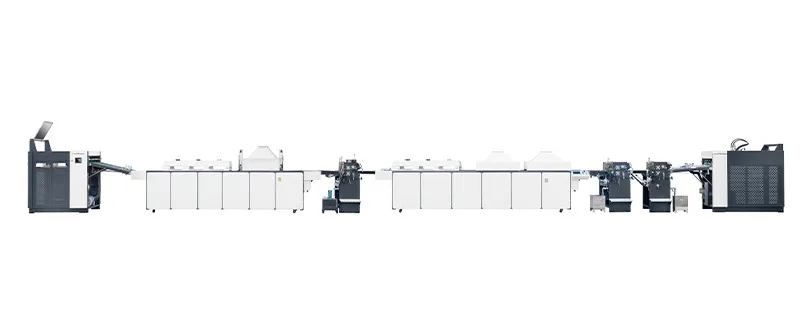
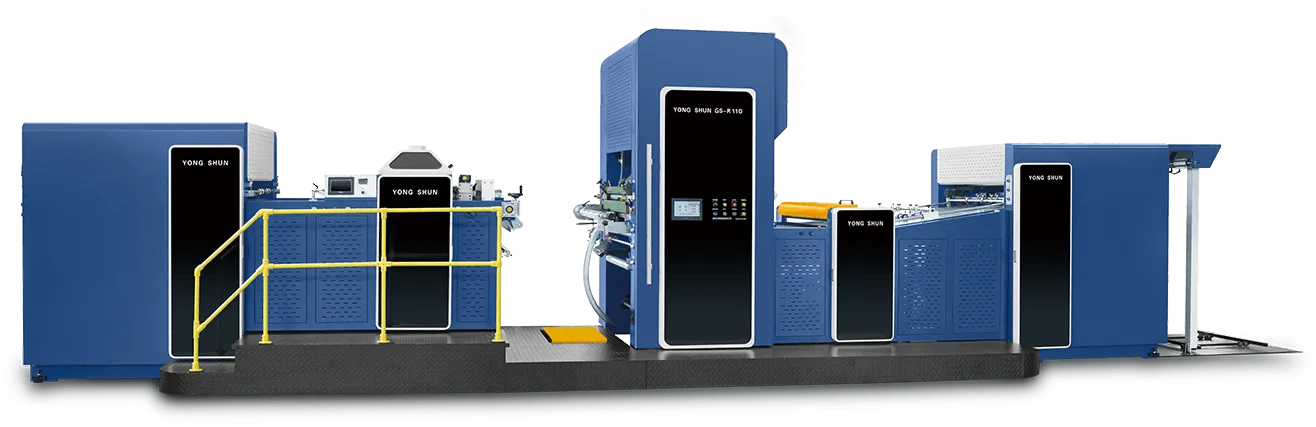
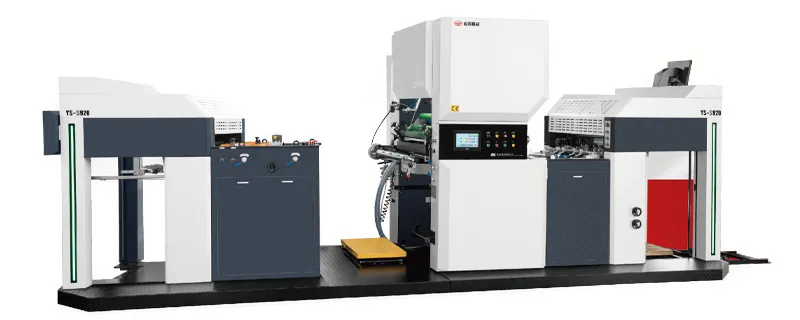
An Automated Varnishing Machine (AVM) is a precision industrial system engineered to apply varnish coatings onto various substrates, including wood, paper, metal, and plastics, delivering unparalleled consistency and efficiency. It is particularly suited for industries requiring large-scale, high-quality finishes, such as furniture manufacturing, packaging, and printing.
The process begins with substrate surface preparation: the equipment ensures surfaces are clean, contaminant-free, and uniformly smooth to optimize coating adhesion. Varnish is then applied via controlled nozzles or rollers, with programmable parameters precisely regulating coating thickness to guarantee even coverage across all products. Integrated curing units—such as optional heating systems, forced-air circulation, or ultraviolet (UV) curing technology—accelerate drying, enabling rapid production cycles without compromising finish quality.
•Consistent Coating Quality: While manual application leads to variations in thickness and gloss due to operator influence, automated systems produce uniform results with every cycle. This is crucial in sectors like packaging and furniture, where visual consistency and durability directly impact product value.
•Enhanced Production Efficiency: These machines handle large-volume orders efficiently, shortening production cycles and enabling manufacturers to scale output while meeting stringent delivery timelines.
•High Efficiency and Reliability: Modern AVMs incorporate advanced features such as self-cleaning systems (minimizing downtime) and quality-inspection sensors (enabling real-time defect detection). These functions reduce material waste, lower labor costs, and ensure stable operation during extended production runs.
•Broad Applicability: Automated varnishing machines accommodate diverse substrates and coating types, including water-based and solvent-based varnishes, making them suitable for cross-industry applications such as printed materials, metal components, and wooden furniture.
As a versatile and essential coating material, varnish’s role in modern manufacturing is being redefined by automated varnishing machines. By integrating precision, efficiency, and consistency, these systems address the limitations of manual operations—reducing operational costs while significantly elevating product quality. Whether preserving artworks, enhancing furniture durability, or improving packaging aesthetics, varnish and automated varnishing technologies play a vital role in driving industrial innovation and meeting the demands of today’s competitive market.
GET A QUOTE