English
 Español

Article Overview: This article provides a technical overview of the double heads UV oil varnish coating machine, a key piece of equipment for finishing printed paper products. It explains the dual-head design, operational benefits, application scenarios, and factors to consider when evaluating this technology for industrial coating lines.
What Is a Double Heads UV Oil Varnish Coating Machine?
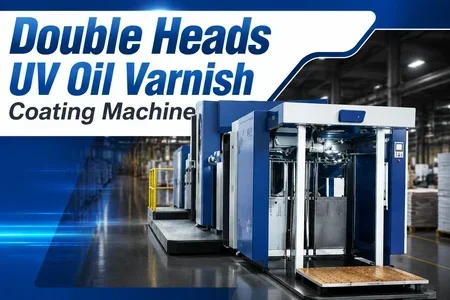
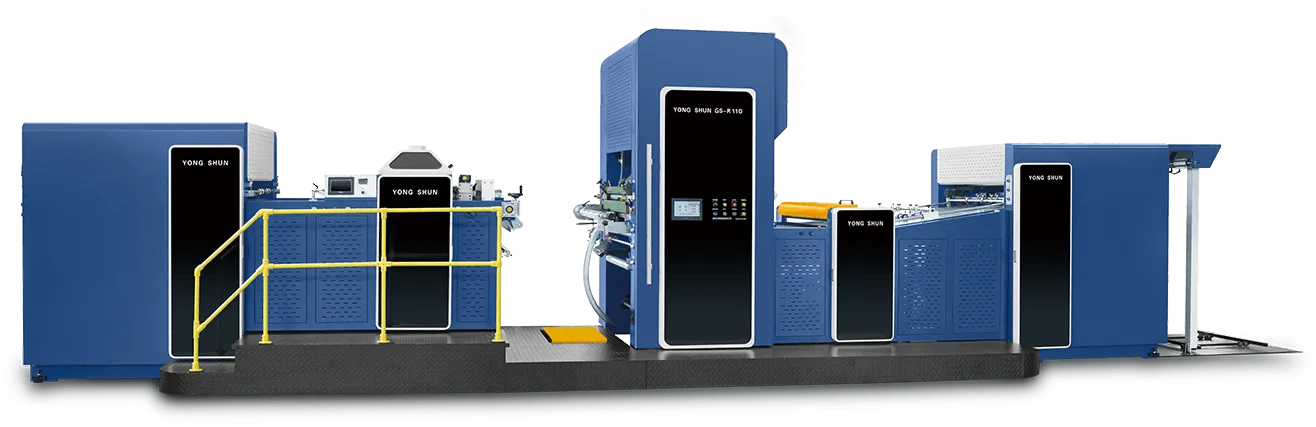
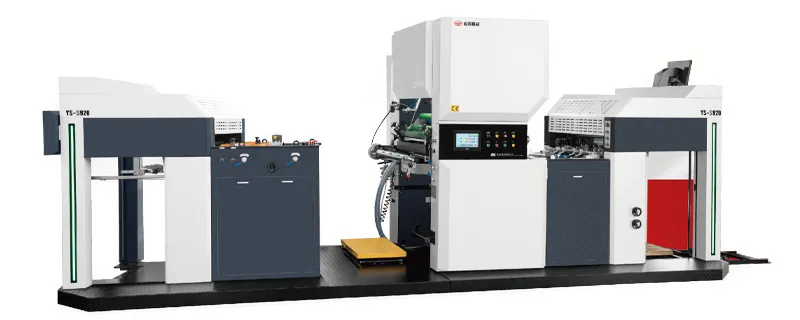
A double heads UV oil varnish coating machine is an industrial finishing system designed to apply a uniform layer of UV-curable oil varnish onto paper or paperboard surfaces. The machine features two independent UV coating heads, each equipped with its own application roller and UV curing lamp. This configuration allows operators to perform either simultaneous or sequential coating passes, depending on the desired finish thickness and gloss level. The dual-head setup directly addresses the need for higher coating speed, improved surface uniformity, and the ability to apply multiple layers in a single pass through the machine.
In typical production environments, this machine is integrated into inline or standalone varnishing lines. It works with a range of paper weights and can handle both spot and full-surface coating. The UV varnish is cured instantly by the ultraviolet lamps, eliminating the need for lengthy drying tunnels and enabling high-speed throughput.
Why Use a Double Heads UV Oil Varnish Coating Machine?
The primary advantage of a double heads UV oil varnish coating machine over single-head alternatives is its ability to apply two distinct coating layers in one operation. This capability translates into tangible production benefits:
- Increased throughput: Two coating heads operating simultaneously can double the coating speed compared to a single pass, or allow a thick coating to be built up without slowing the line.
- Improved gloss and protection: Sequential coating—first a base coat and then a top coat—can achieve a deeper gloss finish and enhanced scratch, moisture, and chemical resistance.
- Flexibility in coating design: Operators can use different varnish formulations in each head (e.g., a matte base with a glossy top coat) to achieve custom surface effects.
- Reduced floor space: A dual-head machine combines the functions of two separate coating stations into one compact unit, saving valuable production floor area.
For technical buyers evaluating capital equipment, the double heads design represents a meaningful step up in process capability without the complexity of multi-machine lines.
How Does the Double Heads Configuration Improve Coating Quality?
The arrangement of the two UV heads directly influences coating uniformity and defect rates. In a well-designed double heads UV oil varnish coating machine, the first head applies a precisely metered layer of varnish, and the second head applies a second layer immediately after the first is partially or fully cured. This setup minimizes common coating defects such as orange peel, pinholes, and streaks.
Step 1: Pre-treatment and Feed
The printed paper is fed into the machine via a vacuum or friction feeder, which ensures accurate registration. Surface dust or debris is removed by a static eliminator or brush to prevent coating defects.
Step 2: First UV Coating Application
The first coating head applies a controlled thickness of UV varnish. The gap between the metering roller and application roller is set according to the target coating weight. The varnish is then cured by a high-intensity UV lamp, locking in the first layer.
After the first cure, the paper passes to the second coating head. Because the first layer is already cured, the second layer can be applied without mixing or smearing. The second UV lamp fully cures the combined coating, resulting in a dense, cross-linked film with excellent adhesion.
This sequential process is particularly effective for high-gloss finishes that require a thick coating – a single pass with one head might not cure evenly, leading to a tacky surface or incomplete polymerization. The dual-head approach ensures each layer is cured separately, eliminating that risk.
Key Technical Specifications to Evaluate
When specifying a double heads UV oil varnish coating machine, engineering teams should examine the following parameters:
- Coating width and speed: Typical widths range from 800 mm to 1450 mm, with mechanical speeds from 0 to 80 m/min. The required production rate will determine the minimum speed rating.
- UV lamp power and type: Mercury, gallium-doped, or LED UV lamps offer different curing profiles. LED lamps consume less energy and produce less heat but may require specialized varnish formulations.
- Coating thickness control: Precision of the metering roller gap and anilox roller selection directly affect coating uniformity. Look for digital readouts and servo-driven adjustments.
- Paper thickness range: Most machines can handle paper from 100 g/m² to 600 g/m². Confirm that the feed system can handle your specific substrate without wrinkling or jamming.
- Dual-head alignment: Independent vertical and horizontal adjustment for each head ensures that coating edges align perfectly, especially for spot coating applications.
These specifications should be matched against the production mix and quality standards of your facility. For a comprehensive view of available configurations, explore the double heads uv oil varnish coating machine product line and related equipment such as the automatic varnishing machine product range.
Common Applications and Industry Use
The double heads UV oil varnish coating machine is used primarily in commercial printing, packaging, and converting operations where high-gloss finishes or enhanced durability are required. Typical applications include:
- Cosmetic and luxury product packaging boxes
- Book covers, magazine covers, and brochures
- Greeting cards and premium stationery
- Labels and tags requiring scuff resistance
- Food and beverage cartons where a protective coating is needed
In each case, the dual-head system provides the flexibility to meet both aesthetic and functional coating requirements without sacrificing line speed.
FAQ
What is the difference between a single-head and a double heads UV oil varnish coating machine?
The primary difference is the number of coating heads. A single-head machine applies one layer of varnish per pass. A double-head machine can apply two layers in sequence or simultaneously, allowing thicker coatings, higher gloss, and custom layer combinations without additional passes.
Can a double heads machine apply different varnish formulations in each head?
Yes. Separate varnish supply systems and independent curing controls allow each head to use a different varnish type. This enables effects such as matte base with glossy top coat, or two different colors if using tinted varnishes.
What maintenance does a double heads UV oil varnish coating machine require?
Routine maintenance includes cleaning application rollers and doctor blades, replacing UV bulbs according to manufacturer intervals (typically 800–1000 hours), lubricating moving parts, and inspecting seals and hoses for varnish residue. Following the manufacturer’s schedule is essential to maintain coating quality and machine life.
Is a double heads machine suitable for small-scale production?
While these machines are designed for medium to high-volume production, some manufacturers offer compact models with lower speed ratings suitable for smaller shops. However, the initial investment is higher than a single-head machine, so volume and finish requirements should justify the cost.
Conclusion
The double heads UV oil varnish coating machine offers a proven path to higher coating quality, greater throughput, and process flexibility for finishing printed materials. By applying two individually cured layers in one pass, it eliminates common coating defects and enables premium finishes that single-head systems cannot achieve economically. For technical buyers and operations leaders, evaluating the dual-head configuration against production requirements is a straightforward way to determine whether this technology aligns with your quality and efficiency goals. A careful review of specifications, combined with a pilot run using your actual substrates, will provide the evidence needed for a sound capital investment.