English
 Español

Article Overview: The automatic varnish single infrared drying machine is a specialized finishing system that applies a protective or decorative varnish coating to printed materials and dries it using infrared radiation. This article explains how the machine works, why infrared drying is advantageous, key technical specifications to evaluate, and typical applications across packaging and commercial printing. It is designed for CTOs, engineering managers, and technical buyers who are in the early research phase of selecting a varnishing solution.
How Does an Automatic Varnish Single Infrared Drying Machine Work?
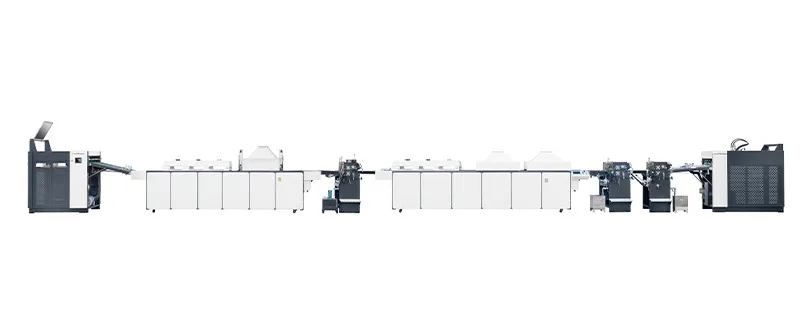
An automatic varnish single infrared drying machine integrates coating application and drying into one continuous process. The machine typically handles sheets or rolls of paper, cardstock, or similar substrates. The workflow follows a sequence of precise, automated steps:
Step 1: Sheet Feeding
An automatic feeder (often a suction feeder or stream feeder) separates and aligns the sheets, ensuring consistent entry into the coating station. This eliminates manual handling and reduces misalignment.
Step 2: Varnish Application
A single coating head applies a uniform layer of varnish (water-based, solvent-based, or UV) onto the substrate. The coating roller or chamber doctor blade system controls thickness. The term "single" refers to one coating station, suitable for straightforward varnish finishes.
Step 3: Infrared Drying
Immediately after coating, the sheet passes under an infrared heater array. The infrared energy penetrates the varnish layer, evaporating solvents or water and curing the coating without the need for hot air convection. This stage is critical for achieving a tack-free surface quickly.
Step 4: Delivery and Stacking
Dried sheets are delivered to a stacker or rewind unit. Sensors monitor pile height and sheet quality, and the automatic stop function halts the machine if misfeeds occur.
Because the machine integrates feeding, coating, drying, and delivery in a single pass, it reduces work-in-progress and operator intervention.
Why Choose Infrared Drying for Varnish Coating?
Infrared drying offers several advantages over conventional thermal drying or UV curing in varnish applications. The choice depends on the varnish chemistry, throughput requirements, and substrate constraints. Below is a comparison of key differences:
Infrared Drying vs. Convection Drying
Option A: Infrared Drying – Uses electromagnetic radiation to heat the varnish directly. Energy transfer is rapid, starting and stopping almost instantly. Drying time for water-based varnish can be reduced by 30–50% compared to forced hot air systems. Floor space is smaller because no long drying tunnels are needed.
Option B: Convection Drying – Relies on hot air circulation. Air must heat the substrate first, leading to longer warm-up periods and greater energy consumption. The system requires longer tunnels and larger footprints. Suitable for heat-sensitive substrates only if temperature is carefully controlled.
Buyer note: Infrared drying is generally preferred when production speed and compact layout are priorities. However, it may not be compatible with all varnish chemistries; consult your varnish supplier for infrared absorption characteristics.
Additional benefits of infrared drying in an automatic varnish single infrared drying machine include:
- Faster line speeds: Drying occurs within seconds, enabling throughput of up to 60–80 sheets per minute depending on width and coat weight.
- Improved gloss and finish: Even heat distribution reduces blistering and orange peel effects.
- Lower energy consumption: Infrared heaters convert electrical energy to radiant heat with high efficiency (typically >90%), and only run when product is present.
- Reduced maintenance: No filters, blowers, or heat exchangers to clean compared to convection systems.
Key Technical Specifications and Performance Indicators
When evaluating an automatic varnish single infrared drying machine, engineering and procurement teams should examine a set of core specifications. Below is a list of the most important parameters to compare:
- Infrared Wavelength: Short-wave (0.76–2 μm) penetrates thinner coatings; medium-wave (2–4 μm) is common for water-based varnishes; long-wave (4–6 μm) suits thicker layers. The machine’s heater type determines wavelength range.
- Heater Power (kW): Total installed power influences drying capacity. Typical single-zone units range from 10 kW to 40 kW. Higher power enables faster line speeds but may require upgraded electrical infrastructure.
- Maximum Sheet Size: The machine’s width and length capacity (e.g., 1050×750 mm or 1200×900 mm) defines the largest substrate the machine can process. Verify with your job mix.
- Coating Weight Range: The applicator roller or chamber system should allow adjustments from 2 to 20 g/m² (wet) to accommodate different finishes.
- Conveyor Speed: Expressed in m/min or sheets/hour. Compare with your required production rate. Many machines offer variable speed drives (inverter-controlled).
- Drying Temperature Control: Look for zone-based PID control of the infrared heaters, with a range of 80–160°C adjustable.
To evaluate a machine systematically, use the following checklist:
Phase: Technical Assessment
1. Match the infrared wavelength profile to your varnish supplier’s recommended curing curve. 2. Confirm that the heater array length equals or exceeds the sheet length to avoid edge dehydration. 3. Verify that the extraction system can remove evaporated solvents without interfering with heater performance. 4. Test coating uniformity using a sample run with your own substrate and varnish.
Additional considerations for procurement include power supply voltage (three-phase 380V/480V typical), compressed air requirements for the feeder, and safety certifications (CE, UL, or ATEX if flammable solvents are used).
What Are the Common Applications for This Machine?
The automatic varnish single infrared drying machine is most frequently used in the following industries and processes:
- Packaging: Coating folding cartons, rigid boxes, and labels to provide a high-gloss finish and scuff resistance.
- Commercial Print Finishing: Applying spot or overall varnish to brochures, book covers, and posters for enhanced visual appeal.
- Paperboard Converting: Adding a protective barrier layer to food packaging (when food-grade varnish is used).
- Display and Point-of-Purchase: Durable finish for signage and stands that see frequent handling.
These applications benefit from the machine’s ability to dry quickly without excessive heat that could warp thin substrates. For more specific examples, you can explore automatic varnish single infrared drying machine solutions tailored to different production scenarios.
FAQ
What substrates are compatible with an automatic varnish single infrared drying machine?
The machine is designed for paper, paperboard, and some plastic sheets (e.g., PET, PVC) that can withstand moderate infrared heat. Coated or uncoated stock up to 600 g/m² is common. Thicker materials may require pre-heating or reduced line speed.
Can the machine handle both water-based and UV varnish?
Infrared drying is effective for water-based and solvent-based varnishes. UV varnish typically requires UV lamps for curing, though some hybrid models combine infrared pre-heating with UV lamps. The standard automatic varnish single infrared drying machine is not designed for UV-cured chemistry; check with the manufacturer for UV configurations.
How much floor space does a typical machine occupy?
An integrated feeder-coating-drying-delivery unit usually measures about 8–12 meters in length and 2–3 meters in width, depending on sheet size. Installation also requires clearance for maintenance and material handling.
What is the typical energy consumption per hour?
Energy consumption varies with heater power and line speed. A 20 kW infrared section running at 50% duty averages 10 kWh per hour. Total machine consumption (including feeder, coating pump, and drives) is typically 15–30 kWh.
Conclusion
The automatic varnish single infrared drying machine provides an efficient, compact solution for applying and curing varnish in one pass. By using infrared radiation, it reduces drying time, improves finish quality, and lowers energy costs compared to conventional hot-air systems. Technical buyers should evaluate wavelength compatibility, heater power, and substrate handling features to match the machine to their specific production needs. For detailed specifications and configuration options, visit the automatic varnishing machine product page.