English
 Español

Article Overview: A single head automatic uv coating machine is a compact finishing solution designed to apply a uniform layer of UV-curable varnish onto printed materials. This article explains its working principle, key specifications, efficiency benefits, common applications, and selection criteria for industrial packaging and commercial printing environments. It is an ideal starting point for buyers seeking to understand this cost-effective technology.
What Is a Single Head Automatic UV Coating Machine?
A single head automatic UV coating machine is a dedicated piece of finishing equipment that applies UV-curable varnish to paper, cardstock, and other substrates in a single pass. The machine uses one applicator head to spread a precise film of liquid varnish, which is then instantly cured under ultraviolet (UV) lamps. This single-head configuration offers a balance between throughput and floor space, making it a popular choice for mid-volume print shops and packaging converters.
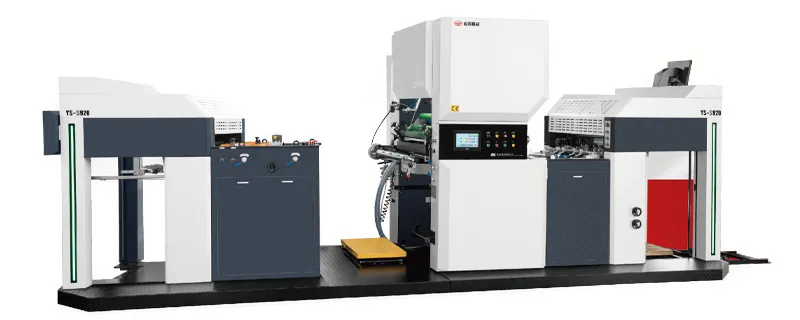
The core components include an automatic feeder, a coating roller or screen system, a UV curing chamber with lamps, and a stacker. Automated controls manage varnish viscosity, coating thickness, and conveyor speed, ensuring repeatable results. Because the machine applies and cures in one continuous operation, it eliminates the need for separate drying stages common with conventional solvent-based varnishes. This reduces energy consumption and speeds up workflow.
How Does a Single Head Automatic UV Coating Machine Improve Efficiency?
Efficiency gains come from two main areas: reduced drying time and consistent application. UV varnish cures almost instantly under UV light, allowing sheets to be stacked immediately after coating. This eliminates the long drying racks required for water-based or solvent varnishes, freeing up floor space and accelerating turnaround. Operators report up to 40% faster job completion compared to traditional coating methods.
The automatic feed and precision coating head maintain uniform thickness across the sheet, minimizing rejects and rework. Operators can adjust coating weight on the fly, which is critical for jobs requiring different gloss levels or protective layers. For example, a packaging job that demands a high-gloss finish on one side and a matte effect on the other can be run in two passes without compromising line speed.
Step 1: Prepare Substrate
Printed sheets are loaded into the automatic feeder. The machine’s vacuum belt ensures stable transport through the coating section. Proper alignment prevents jams and ensures even coating.
Step 2: Apply Varnish
The single coating head applies a controlled layer of UV varnish. The operator can adjust roller pressure and varnish flow to match substrate absorbency and desired gloss level. This flexibility allows for both full-surface and spot coating applications.
Step 3: UV Curing
Sheets pass under UV lamps where photoinitiators in the varnish trigger rapid polymerization. The cured varnish is hard, scratch-resistant, and ready for immediate stacking. Typical curing times are under one second, enabling high throughput.
Typical throughput for a compact single head machine ranges from 2,000 to 4,500 sheets per hour, depending on sheet size and coating thickness. This makes it an efficient choice for short to medium runs where quick changeover is essential. Many models also feature job memory to recall settings for repeat orders.
What Key Specifications Should You Evaluate?
When assessing a single head automatic uv coating machine, procurement teams should examine the following parameters:
- Maximum sheet size – Determines the largest substrate the machine can handle (e.g., 600×900 mm or 700×1000 mm). Larger sizes allow for more versatile production.
- Coating thickness range – Typical adjustable from 2 to 20 g/m². A machine that can vary thickness is more versatile and can handle both light protective coatings and heavy gloss finishes.
- UV lamp power – Expressed in watts per centimeter (e.g., 80 W/cm to 120 W/cm). Higher power enables faster line speeds and thicker coatings, but also increases energy consumption.
- Feeder type – Automatic pile feeder or vacuum feeder. Vacuum feeders are gentler on lightweight stocks and reduce static issues.
- Speed – Measured in sheets per hour (SPH) or meters per minute. Balance speed with drying capacity to ensure full cure at maximum output.
- Varnish recirculation system – Prevents settling and maintains viscosity, reducing waste and ensuring consistent coating quality.
Automation features such as touchscreen controls, job memory, and auto-cleaning add to operational convenience and reduce setup time. Consider whether the machine supports inline or near-line integration with existing presses and die-cutters. Also evaluate the footprint: compact models occupy less than 15 square meters, fitting into tight production spaces.
What Are the Typical Applications of a Single Head Automatic UV Coating Machine?
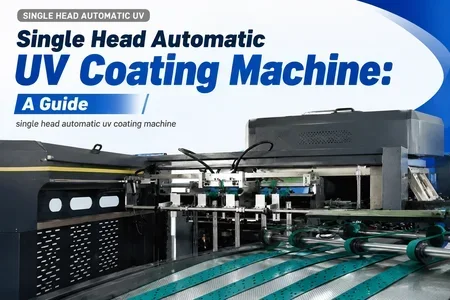
These machines are widely used across multiple sectors. Their versatility makes them a staple in finishing departments. Common applications include:
- Folding carton packaging – Applying a glossy protective layer on cosmetic, pharmaceutical, and food packaging boxes. The UV coating enhances shelf appeal and protects against scuffs during transport.
- Commercial printing – Brochures, catalogs, and business cards requiring a premium finish. A single head machine can deliver a uniform high-gloss or satin finish that attracts attention.
- Labels and tags – UV coating on self-adhesive labels for abrasion resistance. This is critical for labels that undergo frequent handling.
- Book covers – Adding scuff resistance and visual appeal. UV coating helps hardcover and paperback covers withstand wear.
- Greeting cards – High-gloss spot coating for decorative effects. The ability to apply coating selectively allows for creative design elements.
Because the single-head design is compact, it suits operations where space is at a premium but consistent quality is still required. For example, a small packaging converter can run two daily shifts while occupying less than 15 m² of floor area. The machine can also be integrated into a larger finishing line without major reconfiguration.
How to Select the Right Single Head Automatic UV Coating Machine for Your Line
Selection involves matching machine capabilities to your production profile. Begin by listing the typical substrates, run lengths, and finish requirements. Then evaluate machines based on the specifications above. It is often helpful to request a sample run on your own material to confirm coating uniformity and adhesion. Many suppliers offer trial runs at their facility or onsite.
Consider total cost of ownership, including UV lamp replacement intervals (typically 1,000–2,000 hours), varnish consumption, and maintenance access. Machines with modular components simplify upgrades and repairs. For a comprehensive product range, explore the automatic varnishing machine product line, which includes models with double heads or infrared drying options. Also factor in operator training requirements: intuitive touchscreen interfaces reduce learning curves.
Another key consideration is the type of varnish you plan to use. Some machines are optimized for high-gloss varnishes, while others handle matte or textured finishes better. Check compatibility with your current varnish suppliers. Additionally, assess the availability of spare parts and service support in your region. A machine from a reputable manufacturer with a local service network will minimize downtime.
FAQ
What is the difference between a single head and a double head UV coating machine?
A single head machine applies one layer of varnish per pass, while a double head can apply two coats sequentially or simultaneously. Double head machines offer higher throughput and the ability to combine coating types (e.g., primer plus topcoat), but they occupy more floor space and cost more. The single head is sufficient for most standard gloss and protective jobs, making it a cost-effective choice for small to medium operations.
Can a single head automatic uv coating machine handle spot coating?
Yes, with the use of a screen or flexo plate cylinder that applies varnish only to designated areas. Many machines are equipped with a spot coating kit as an option. This allows precise gloss highlights on a matte background without masking. Spot coating is popular for high-end packaging and invitations.
How do I maintain coating uniformity?
Regular calibration of the coating roller gap, consistent varnish viscosity (maintained via recirculation system), and clean UV lamps are key. Most modern machines include automated diagnostics that alert operators to deviation. Running weekly cleaning cycles helps prevent dried varnish buildup on rollers and lamps. Also, maintain proper ventilation to avoid dust contamination.
What substrates are compatible with a single head automatic uv coating machine?
Common substrates include coated and uncoated paper, paperboard, and some plastics (e.g., PVC, PET) that can withstand heat and UV exposure. Always test a sample with the machine supplier to verify adhesion and curl. For heat-sensitive materials, consider using a lower-power UV lamp or a longer dwell time.
What is the typical payback period for this machine?
Payback depends on volume, but many users recoup their investment within 12 to 18 months through reduced waste, faster turnaround, and the ability to charge a premium for UV-coated finishes. The machine's low maintenance requirements also contribute to long-term savings.
Conclusion
The single head automatic uv coating machine offers a practical and cost-effective entry point for adding UV varnishing capability to a print finishing line. Its compact footprint, automated operation, and instant curing enable faster turnaround and consistent quality for a wide range of packaging and commercial print jobs. By carefully assessing specifications and production needs, operations leaders can select a machine that delivers reliable performance and measurable efficiency improvements. Whether you are a small job shop or a mid-size converter, this technology deserves serious consideration for your finishing workflow.