English
 Español

Article Overview: This guide compares two dominant print finishing technologies—film lamination and UV varnishing. It provides evaluation criteria, technical specifications, use case analysis, and decision guidance to help production teams select the most cost-effective and durable solution for their specific applications. The focus is on neutral, evidence-based comparison without commercial bias.
Finishing processes transform raw printed sheets into durable, visually appealing final products. Two widely adopted methods are thermal film lamination and liquid UV varnishing. While both enhance appearance and protection, they differ fundamentally in materials, equipment, cost, and performance. This guide breaks down the critical factors to enable an informed purchase or process change decision.
Evaluation Criteria for Finishing Processes
To compare film lamination and UV varnishing objectively, buyers must assess the following parameters:
- Durability: Resistance to scratching, tearing, moisture, and UV fading.
- Appearance: Gloss level, clarity, texture (matte, satin, gloss), and ability to achieve high-end aesthetic effects.
- Cost per sheet: Consumable film vs. liquid coating, plus depreciation of equipment and energy consumption.
- Throughput: Speed in sheets per hour or linear meters per minute; impact of drying/curing time.
- Substrate compatibility: Ability to handle paperboard, plastic, metallic papers, and adhesives.
- Environmental impact: VOC emissions, recyclability, energy use, and waste management.
Tradeoffs are inherent. For example, lamination offers superior tear resistance but adds material thickness and may complicate recycling. Varnishing provides a thinner coat with faster curing but lower physical shock absorption. Decision makers should assign weights to each criterion based on their product requirements and production constraints.
Technical Specifications and Performance Tradeoffs
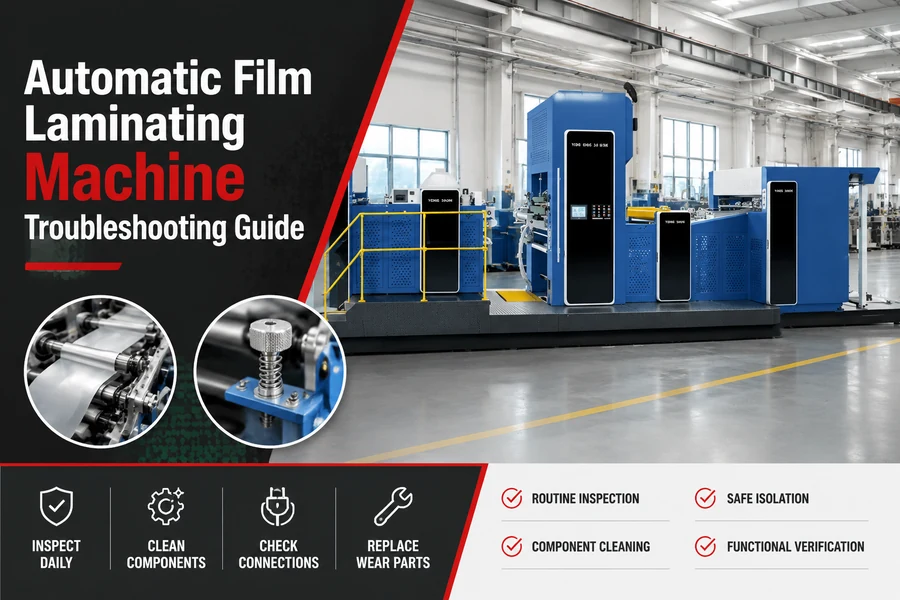
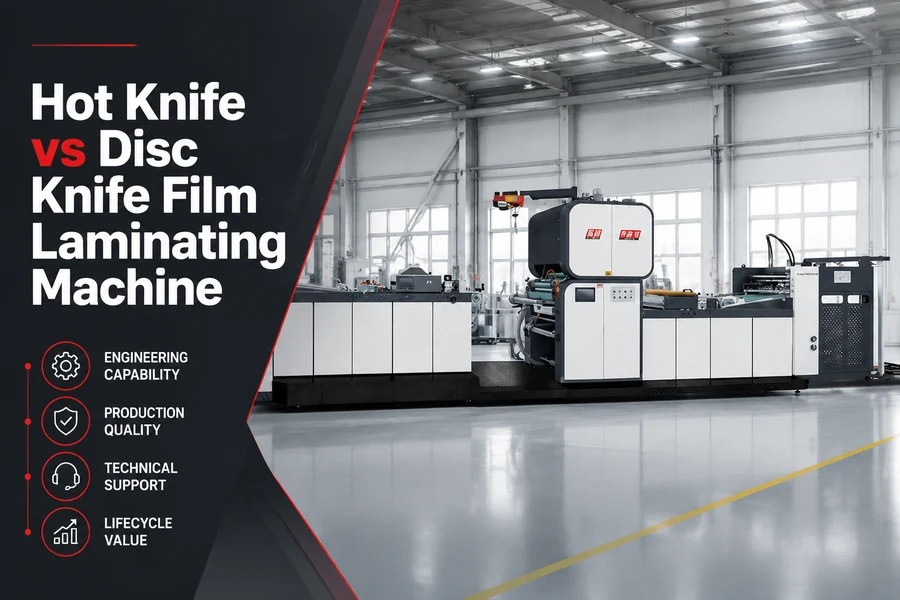
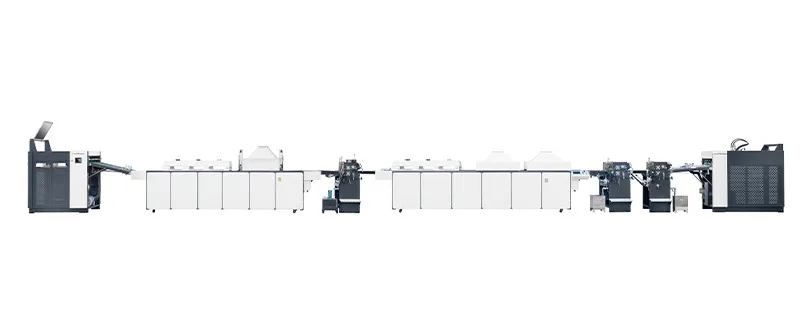
Film laminating machines typically operate as roll-fed systems that apply a polyester or polypropylene film using heat and pressure. Key specifications include:
- Working width (e.g., 650 mm to 1050 mm)
- Speed (15–30 m/min for standard machines; higher for intelligent models)
- Heating method (infrared, hot roller, or combination)
- Sheet thickness range (100–500 gsm paper)
- Single or double-sided lamination capability
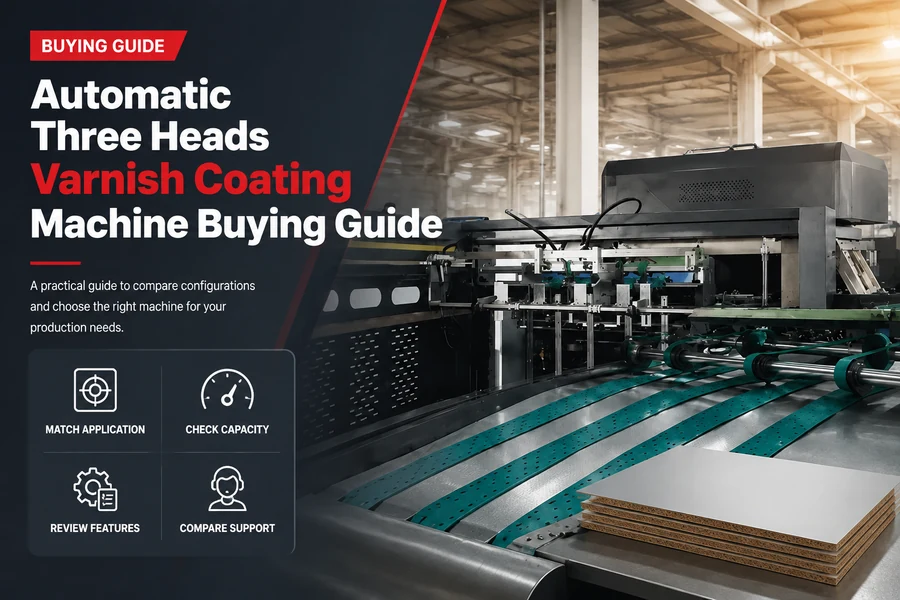
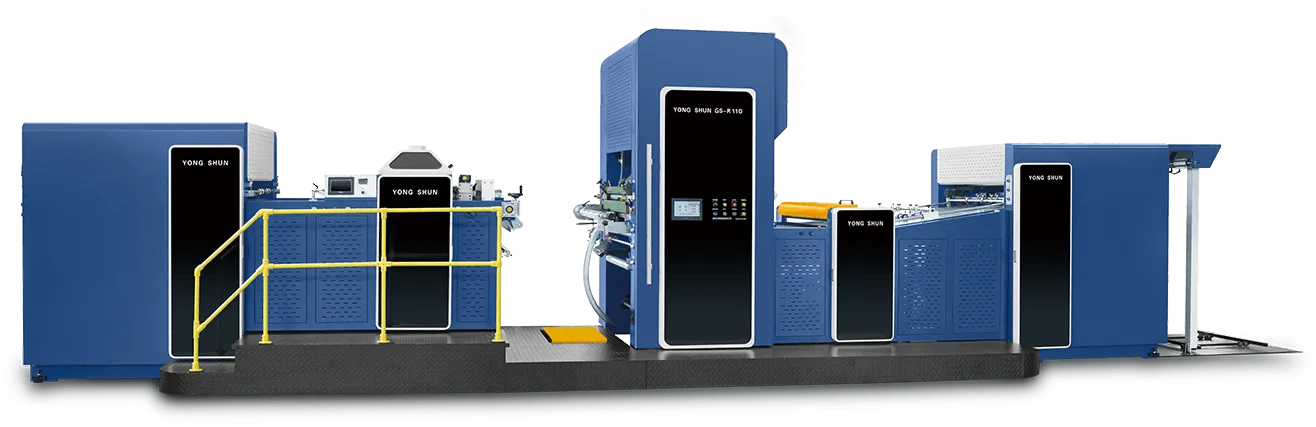
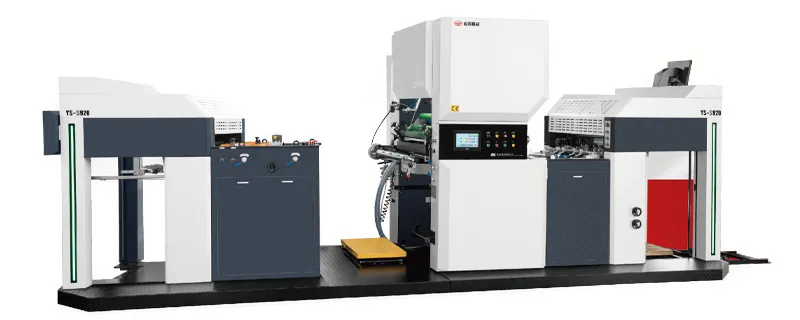
UV varnishing machines apply a liquid coating that is cured instantly under ultraviolet light. Important specs are:
- Coating heads (single or double)
- Coating weight control (adjustable roller or anilox)
- Drying configuration (infrared pre-dry + UV final cure, or double drying channels)
- Maximum sheet size and thickness
- Throughput (up to 3000–5000 sheets per hour)
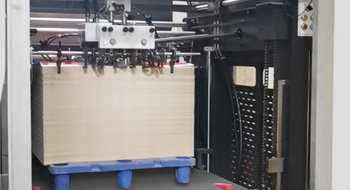
For film lamination, the primary tradeoff is between speed and film quality: thicker films require more heat and slower processing. UV varnishing trades coating weight against curing speed—heavier coats may need additional drying channels to avoid tackiness. Automated systems, such as those found among automatic film laminating machines, integrate sheet separation and stacking to minimize manual labor. Similarly, advanced automatic varnishing machines include precision control for consistent application.
Another critical distinction is maintenance. Lamination rollers require periodic cleaning to prevent adhesive buildup; UV lamps have a finite lifespan (typically 800–1000 hours) and need replacement. Both involve consumable costs, but film lamination also generates edge trim waste, while UV varnishing may require special cleanup solvents.
Use Case Fit: When to Choose Lamination vs. Varnishing
Selecting the right process depends heavily on the end product's handling environment and aesthetic goals.
Film Lamination
Ideal for items subjected to frequent physical contact, moisture, or harsh handling:
- Book covers, menus, and instructional cards
- ID cards, tags, and luggage labels
- Heavy-use packaging for electronics or tools
- Maps and outdoor signage
Lamination provides a tough, peel-resistant barrier that can extend product life significantly. However, the added thickness can make folding or creasing more difficult, and the glossy finish may show fingerprints.
UV Varnishing
Best suited for high-volume, high-speed production where appearance and tactile feel matter:
- Cosmetic boxes and perfume packaging
- Brochures and presentation materials
- Magazine covers and catalogs
- Labels and postcards
UV varnishing can achieve a wide range of gloss levels and even spot-varnish effects, enhancing visual appeal without bulk. It is also more compatible with automated feeding and stacking due to its thin coating. Drawbacks include limited mechanical protection and potential cracking if the substrate bends sharply.
In some production lines, the two methods are combined: a base UV varnish provides gloss and scuff resistance, followed by a film lamination over selective areas for extra durability. Such hybrid solutions are available through integrated solutions that coordinate both finishing units.
Selection Checkpoints and Decision Framework
To reduce selection risk, follow a structured process:
- Define product requirements: durability, gloss, weight limit, and budget per unit.
- Evaluate sample runs: Request physical samples from equipment suppliers using your specific paper and inks.
- Measure throughput: Compare claimed speeds with real-world conditions (setup, changeover, waste).
- Check environmental regulations: Some markets restrict VOC emissions; water-based varnishes or low-VOC films may be required.
- Assess total cost of ownership: Include energy, consumables, maintenance, and operator training.
Use a weighted scoring matrix to compare options. For example, if scratch resistance is critical (weight 5), lamination scores 4 and varnishing scores 2; if cost is most important (weight 4), varnishing might score 4 vs lamination's 2. The matrix helps avoid emotional or brand-driven decisions. Always request references and visit operating installations if possible.
Frequently Asked Questions
Q: Which finishing method is more environmentally friendly?
A: UV varnishing typically has lower energy consumption per square meter and produces less waste. However, some UV coatings contain photoinitiators that require careful disposal. Film lamination uses petroleum-based plastics, but bio-based and recyclable films are becoming available. Evaluate local recycling infrastructure.
Q: Can I use both lamination and varnishing on the same job?
A: Yes. A common technique is to apply a primer varnish, then laminate in selected areas, then overprint with a final varnish for gloss contrast. This requires inline or near-line coordination and precise registration.
Q: How do I compare the cost per sheet?
A: Calculate consumable cost (film per sqm vs. coating per sqm), energy per run, and labor per shift. Typical lamination costs are 2–4 cents per A4 sheet for film plus electricity; varnishing costs 1–3 cents for coating plus lamp depreciation. Volume discounts can shift the balance.
Q: Which process is faster?
A: UV varnishing generally offers higher throughput because curing is instant and no drying delay after the machine. Lamination requires heating and pressure cycles, often limiting speeds to 15–30 m/min. For runs above 10,000 sheets, varnishing may have a distinct time advantage.
Q: What substrates are incompatible?
A: Lamination may struggle with heavily textured papers or those with high moisture content. UV varnishing can cause yellowing on certain low-quality papers and is less effective on porous materials. Always test on actual stock.
Conclusion
Film lamination and UV varnishing each serve distinct finishing needs. Lamination excels in mechanical protection and durability, while UV varnishing offers speed, aesthetic flexibility, and lower material bulk. The right choice depends on balancing durability requirements, cost constraints, production volume, and environmental goals. By using structured evaluation criteria and testing with real substrates, buyers can confidently select the solution that best aligns with their operational and market demands. For a comprehensive range of finishing equipment, explore the full products lineup and consult with application specialists to refine your specification.