English
 Español
Bubbles, wrinkles or uneven pressure ruining your laminated output? This diagnostic guide breaks down root causes by sym...
Nov 27,2026


In an era where production speed and quality are key to staying competitive, industries ranging from packaging to signage are constantly looking for ways to improve their processes. Among the many innovations that have revolutionized the manufacturing world, the Roll to Roll Lamination Machine has emerged as a game-changer. Whether you are in the printing, packaging, or graphics sector, this high-performance machine is transforming how materials are laminated, offering both efficiency and superior results. Let's dive into the world of the Roll to Roll Lamination Machine and explore its features, benefits, and applications.
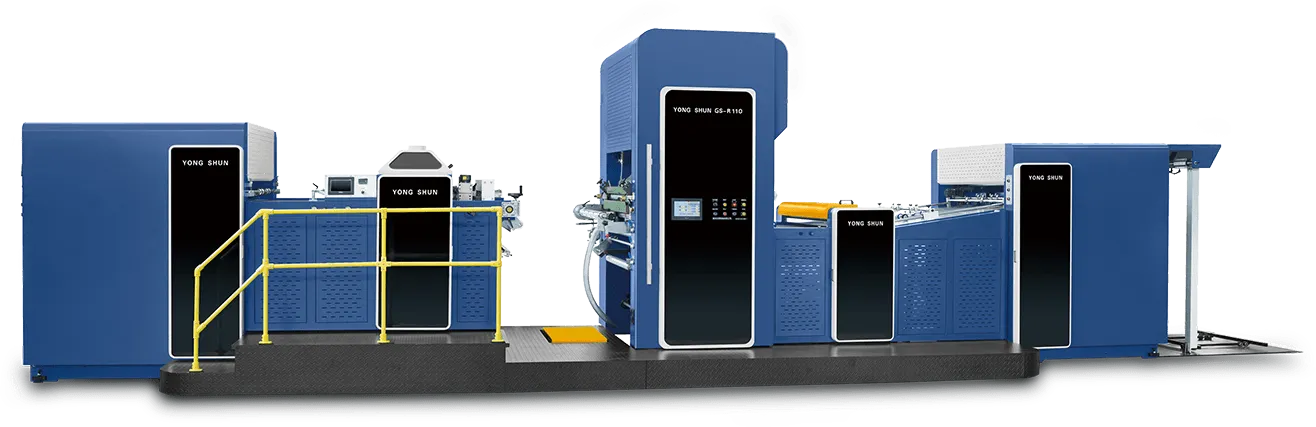
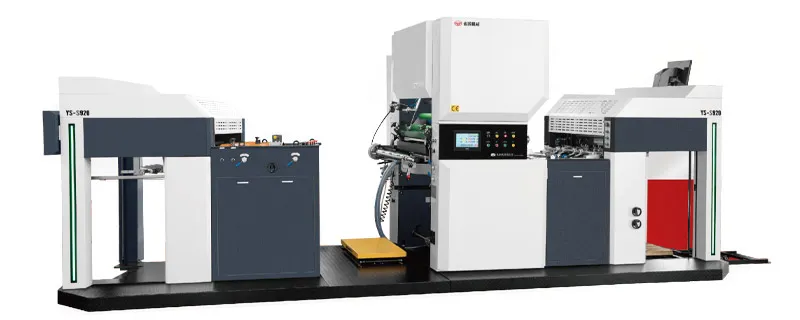
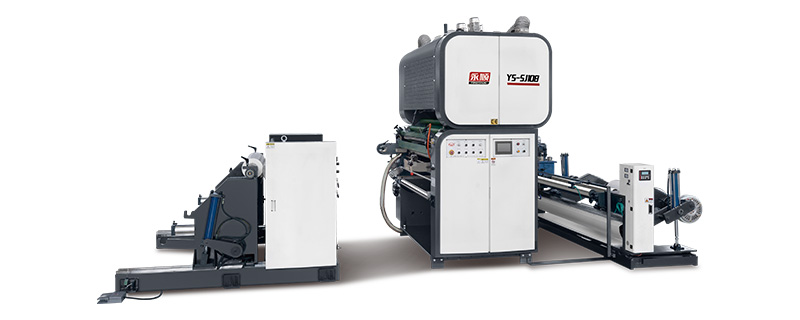
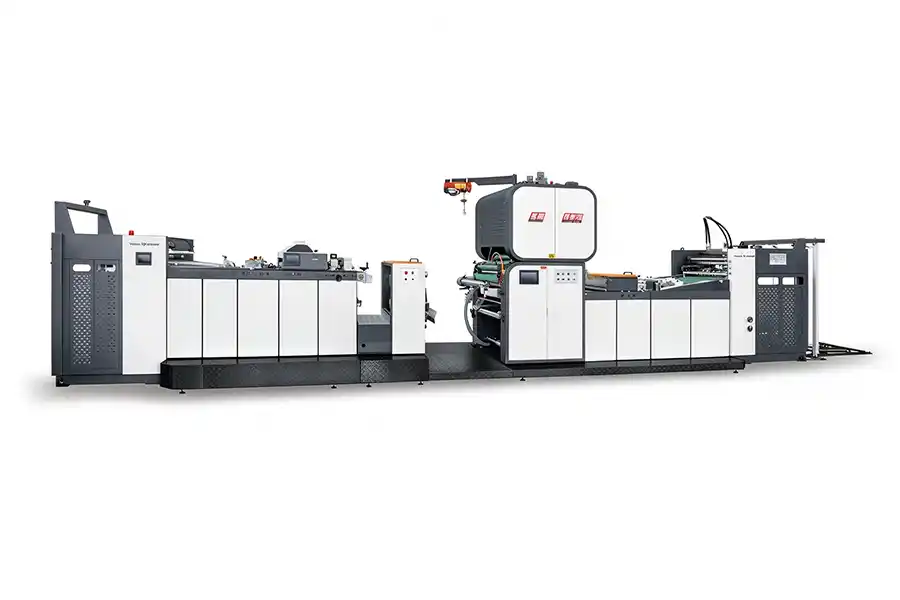
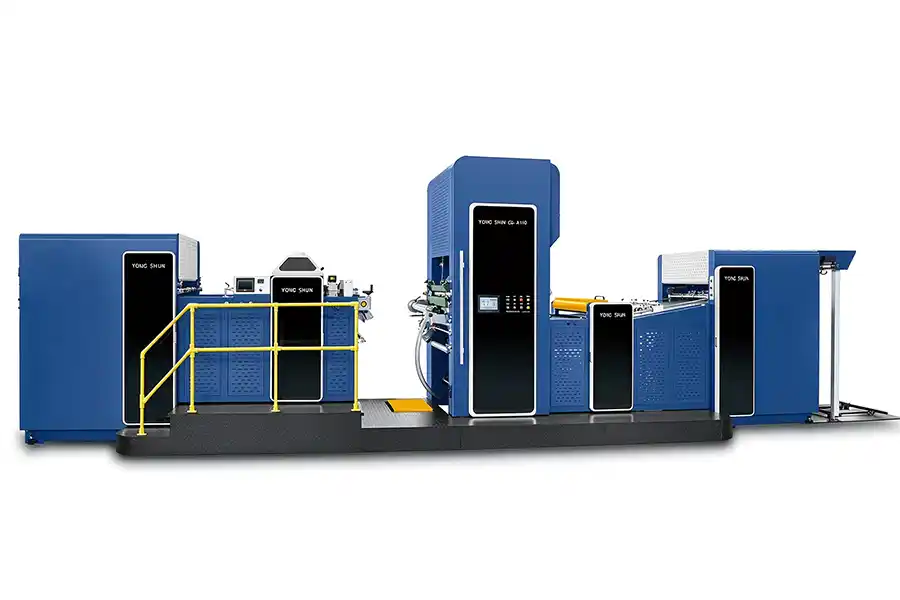
A Roll to Roll Lamination Machine is a specialized device designed to laminate large rolls of material, applying a thin protective film to surfaces. Unlike traditional laminating methods that work with individual sheets, the roll-to-roll system efficiently handles continuous rolls of material, making it a highly sought-after solution for high-volume applications. This machine offers versatility, allowing various substrates, such as paper, plastic films, and textiles, to be laminated in an automated, cost-effective manner.
In essence, the Lamination Machine applies a protective coating to the surface of a material, which can be either adhesive-based or non-adhesive, depending on the desired outcome. The roll-to-roll system streamlines the lamination process, offering quick turnaround times and minimizing material wastage, all while maintaining a high level of consistency and quality.
The operation of a Roll to Roll Lamination Machine is relatively straightforward but highly efficient. Here’s how it works:
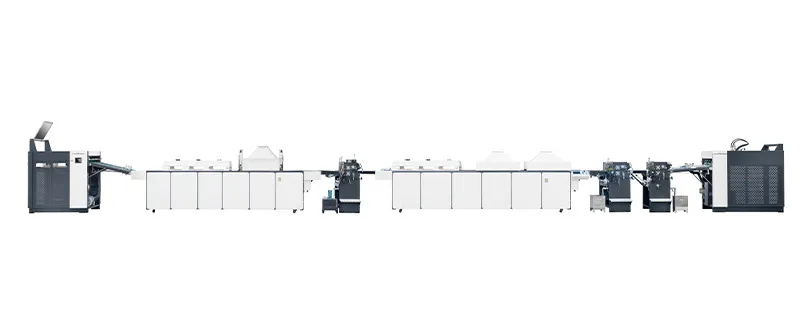
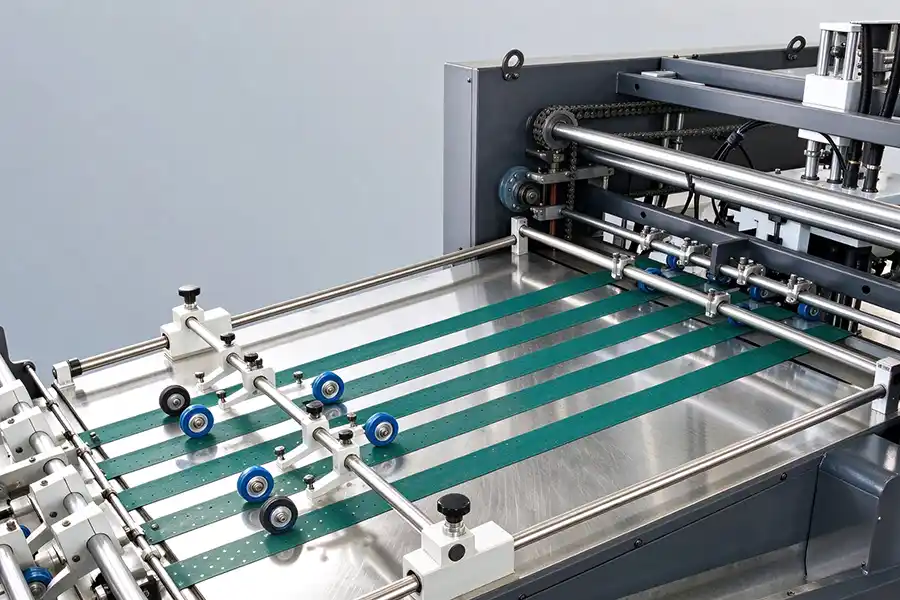
Feeding the Material: The roll of material to be laminated is placed onto the machine's feeding station. The material is unrolled and moved through the system via rollers that guide it smoothly.
Lamination Process: As the material passes through the machine, a protective film (either adhesive or non-adhesive) is applied. Heat, pressure, or both are often used to bond the film to the material, ensuring a uniform and secure lamination layer. In some cases, the machine also uses a water-based film for eco-friendly lamination.
Cooling and Cutting: Once the lamination is complete, the material is cooled to set the film properly. Afterward, the laminated material is rolled back into another roll, ready for further processing or distribution.
Quality Control: Many advanced roll-to-roll machines come with built-in quality control systems that check for any imperfections, ensuring that only high-quality laminated products move forward in the production process.
1. High-Speed Production: The Roll to Roll Lamination Machine is designed to handle large volumes of material efficiently. This is particularly beneficial for businesses that need to laminate continuous rolls of material, such as signage companies or packaging manufacturers. With its automated nature, the machine speeds up the production process, making it ideal for high-demand environments.
2. Cost-Effectiveness: By using large rolls of material, businesses can minimize the amount of waste and reduce the frequency of reloading individual sheets. This results in significant cost savings, both in terms of labor and materials. Additionally, the machine’s ability to laminate continuously means that more work can be done in less time, increasing the overall efficiency of the production line.
3. Consistent Quality: One of the standout features of the Roll to Roll Lamination Machine is its ability to maintain a consistent, high-quality finish across large volumes. The automated system ensures that every meter of material is laminated with precision, resulting in a uniform and smooth surface that enhances the final product's appearance.
4. Flexibility: Whether you’re working with paper, film, or fabric, the roll-to-roll laminator can handle a variety of substrates. This flexibility makes it a versatile tool for industries ranging from packaging to textiles and even floor graphics. The machine can also be adjusted to accommodate different film types, thicknesses, and adhesive properties, further expanding its application range.
5. Environmental Benefits: Many modern Roll to Roll Lamination Machines feature water-based coatings and films, which are more environmentally friendly compared to solvent-based alternatives. This aligns with the growing demand for sustainable manufacturing practices, helping businesses reduce their carbon footprint.
Incorporating the Roll to Roll Lamination Machine into your workflow will not only streamline your processes but also ensure that your products stand out in the marketplace with a superior finish. If you’re in an industry that demands efficiency and quality, it’s time to embrace the roll-to-roll laminating revolution!
GET A QUOTE