English
 Español
Struggling to choose between OPP, BOPP, PET, PVC or PLA for your printed sheets? This guide compares adhesion, finish, a...
Nov 18,2026


When a laminated brochure cracks at the fold, or a cosmetic box edge peels after die-cutting, the root cause is rarely the machine itself. More often, the mismatch lies in the chemical and physical properties of the laminating film. Procurement teams and production managers face a dizzying array of acronyms—OPP, BOPP, PET, PVC, PLA—each with a different stiffness, melting point, and environmental profile. This guide breaks down how these five common materials behave under heat and pressure, so you can match the film to your downstream process and avoid costly trial-and-error. If you are still mapping out the broader production sequence, the comprehensive overview of the complete industrial film lamination process provides the necessary baseline on how these materials integrate into the workflow.
Selecting a film is not just a matter of choosing between "gloss" or "matte." The base polymer dictates how the material reacts to the heating drum, how it handles tension during the lamination nip, and how it survives the die-cutter.
Here is a high-level comparison of the five primary film families:
| Film Material | Typical Thickness | Stiffness / Rigidity | Heat Resistance | Primary Application Match |
|---|---|---|---|---|
| BOPP | 15–27 micron | Moderate to High | Medium | Commercial print, book covers, cartons |
| OPP | 15–25 micron | Low to Moderate | Medium-Low | General packaging, short-run flyers, tags |
| PET | 12–25 micron | Very High | High | Luxury packaging, cosmetic boxes, high-gloss finishes |
| PVC | 40–100+ micron | High (rigid variants) | Low | Window packaging, specialized box windows |
| PLA | 20–30 micron | Moderate | Low | Eco-friendly food packaging, sustainable brand collateral |
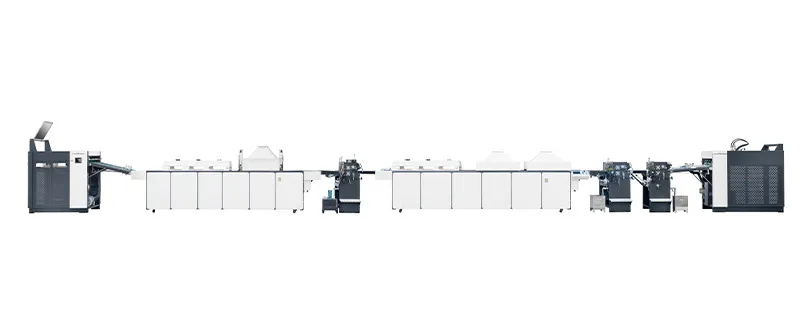
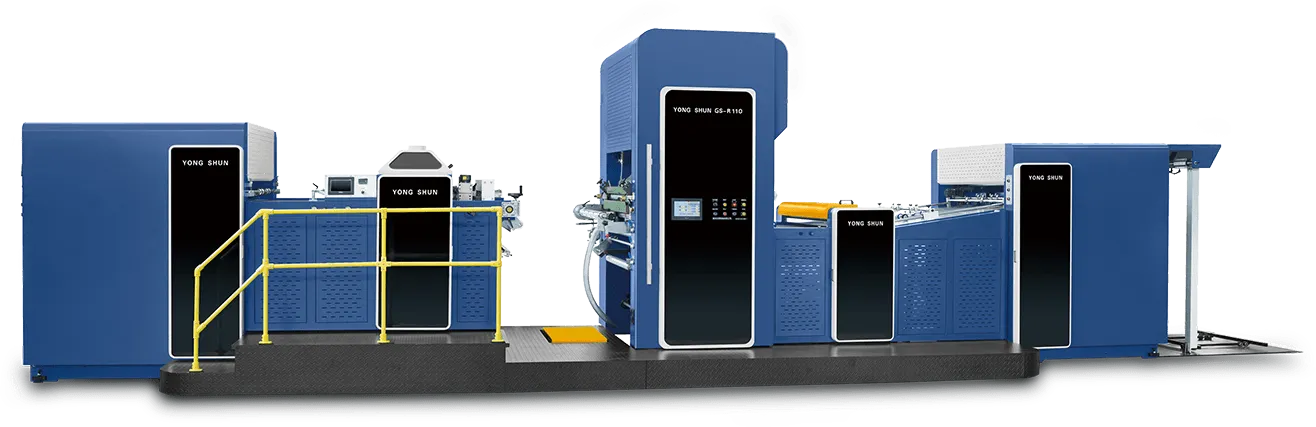
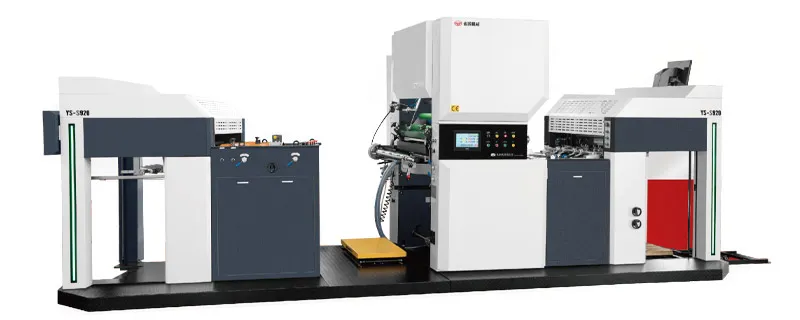
The thickness of the film directly correlates with its durability and cost. However, a thicker film is not always better. For instance, running a 27-micron BOPP on a lightweight 100gsm poster may cause the sheet to curl heavily, whereas a 15-micron film on the same substrate will lay flatter. When evaluating machinery to process these diverse materials, it is important to review laminating equipment designed with versatile film-handling capabilities to ensure the machine's tension and heating systems can adapt to different polymer thresholds.
BOPP (Biaxially Oriented Polypropylene) is the industry standard for commercial printing. The "biaxial" orientation process stretches the polymer in both machine and cross directions, giving it high tensile strength, excellent clarity, and a superior moisture barrier. It is the go-to choice for book covers and folding cartons because it resists tearing and offers a very stable bond with thermal adhesives.
OPP (Oriented Polypropylene) is stretched in only one direction. It is slightly less stiff than BOPP and more cost-effective, making it popular for short-run promotional materials, tags, and general packaging where high durability is not the primary concern.
The Decision Point: If your finished product undergoes heavy handling or needs a long shelf life, BOPP justifies its slightly higher cost. If you are producing short-lifecycle flyers or point-of-sale materials, OPP offers adequate protection at a lower price point.
PET (Polyester) is the heavyweight champion of laminating films. It is highly rigid, offers unmatched dimensional stability, and delivers a glass-like clarity or deep matte finish. More importantly, it boasts excellent temperature resistance, making it ideal for high-end luxury packaging (cosmetic boxes, rigid gift boxes) that will be subjected to rigorous die-cutting and folding.
However, PET's rigidity is a double-edged sword. Because it does not stretch easily, it requires precise tension control during lamination to avoid wrinkling. Furthermore, standard disc knives often struggle to cut thick PET cleanly, leaving a tail that will delaminate during gluing. Processing PET successfully often requires a machine equipped with a specialized edge-sealing cutting system designed for rigid films, which melts the film rather than simply shearing it. The high pressure required to bond PET to thick cardstock also demands robust hydraulic systems in the laminator.

PVC (Polyvinyl Chloride) is a heavier, denser film used almost exclusively for structural applications, most notably box windows and blister packaging. It is highly resistant to chemicals and moisture. However, PVC is heat-sensitive and can emit hazardous fumes (chlorine gas) if overheated. It requires strict temperature control and adequate ventilation during processing. Due to environmental concerns, its use is declining in favor of PET for standard packaging.
PLA (Polylactic Acid) represents the sustainable frontier. Derived from renewable resources like corn starch or sugarcane, PLA is compostable under industrial conditions. It is gaining traction among eco-conscious brands and food packaging manufacturers. The challenge with PLA is its low melting point. Running PLA film requires laminating machines that can operate at lower temperatures without sacrificing bond strength. The adhesive must also be compatible with compostability standards.
Different sectors demand different priorities from their laminating film.
Scenario 1: Commercial Printing (Books, Catalogs, Magazines)
The Goal: Protect the printed surface, prevent scuffing during distribution, and allow for clean folding on the binding line.
The Film: BOPP is usually the optimal choice. It provides excellent scuff resistance and high clarity without cracking when folded.
The Equipment: High-speed sheet-fed machines running at continuous speeds.
Scenario 2: Luxury Packaging (Cosmetic Boxes, Electronics)
The Goal: Deliver a premium tactile feel, support heavy structural die-cutting, and provide a mirror-like gloss.
The Film: PET or specialized soft-touch matte films.
The Equipment: Slower, high-pressure machines with precise temperature control and hot-knife cutting capabilities. Exploring customized packaging and finishing solutions can help determine how to integrate these high-end requirements into your existing production floor.
Scenario 3: Sustainable Food Packaging
The Goal: Meet strict food safety regulations, maintain compostability, and protect the print from grease and moisture.
The Film: PLA or water-based adhesives with thinner films.
The Equipment: Machines that use water-based glue rather than thermal pre-coated film to avoid excessive heat that could deform the biodegradable substrate.
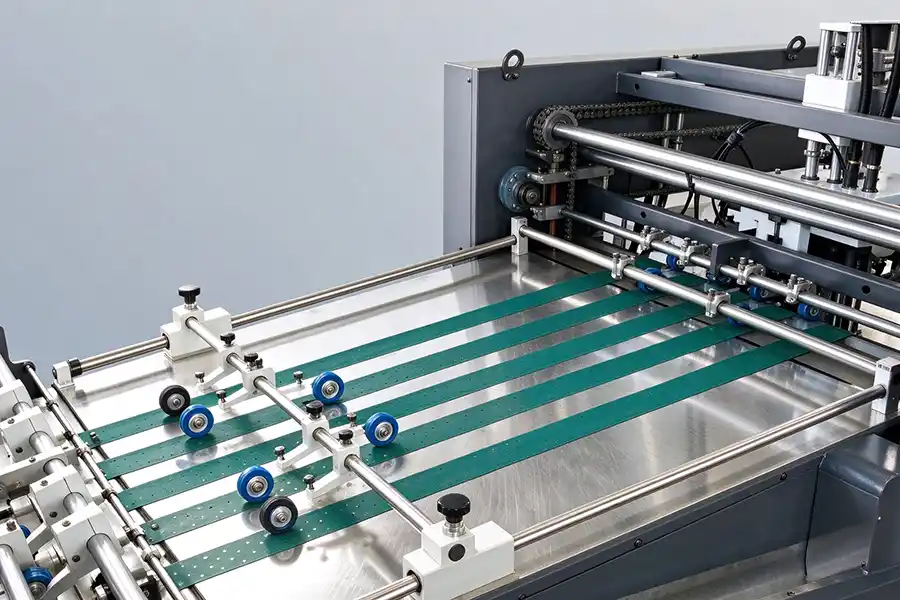
When a lamination defect occurs, operators often blame the machine. Before adjusting the machine settings, verify that the film material itself is not the root cause.
Inspect the Cut Edge (The Tail Test):
Why: Different films behave differently under mechanical cutting.
How: After lamination, look at the edge where the film was cut. If it looks jagged, frayed, or leaves a long tail (especially on PET), the cutting system is incompatible with the film's rigidity.
Action: Switch to a hot knife system for PET, or adjust the disc knife tension for BOPP.
Check for "Silvering" or Cloudiness:
Why: This indicates trapped air or incomplete adhesive activation.
How: Hold the laminated sheet under a light. If the surface looks hazy or metallic, the film hasn't fully bonded.
Action: If using PET, increase the heating roller temperature slightly. If using BOPP, check if the rubber pressure roller has become concave (worn down) over time.
Test the Fold (The Crease Test):
Why: Packaging films must survive the folder-gluer without cracking.
How: Fold a small corner of the laminated sheet 180 degrees.
Action: If the film cracks along the fold, the material is too brittle (e.g., thick PET used on thin paper). Switch to BOPP, which has higher elongation and flexibility.
Choosing the right film is only half of the equation. Every material translates to a specific requirement for heat, tension, and cutting force. Once you have clarified the chemical properties of your chosen film (e.g., low-heat PLA, high-stiffness PET, or standard BOPP), evaluating the mechanical capabilities of the laminating equipment becomes the next logical step.
Laminating machine manufacturers with deep experience in material sciences—such as those with decades of manufacturing history and rigorous quality assurance—can provide specific testing to ensure the machine parameters align with the film's requirements. Reviewing the technical capabilities and quality standards of the machinery manufacturer can provide confidence that the equipment will handle your specific film and paper combination without repeated defects.
Industrial Film Lamination Process: Materials, Steps and Applications
How to Laminate Paper: Temperature, Pressure and Film Selection
Lamination Bubbles, Wrinkles and Uneven Pressure: Causes and Fixes
This article is part of YONGSHUN’s technical content library. No direct sales or pricing information is included. All technical discussions aim to help you make informed purchasing decisions.
GET A QUOTE